Aerospace Industry
Smart overhead transport systems designed to meet the rigorous requirements of the aerospace industry.
With extensive experience in the aviation sector, our team understands the unique challenges of aircraft assembly and delivers solutions that meet the highest standards for safety and performance.
Our solutions for the aerospace industry
Modular and flexible systems
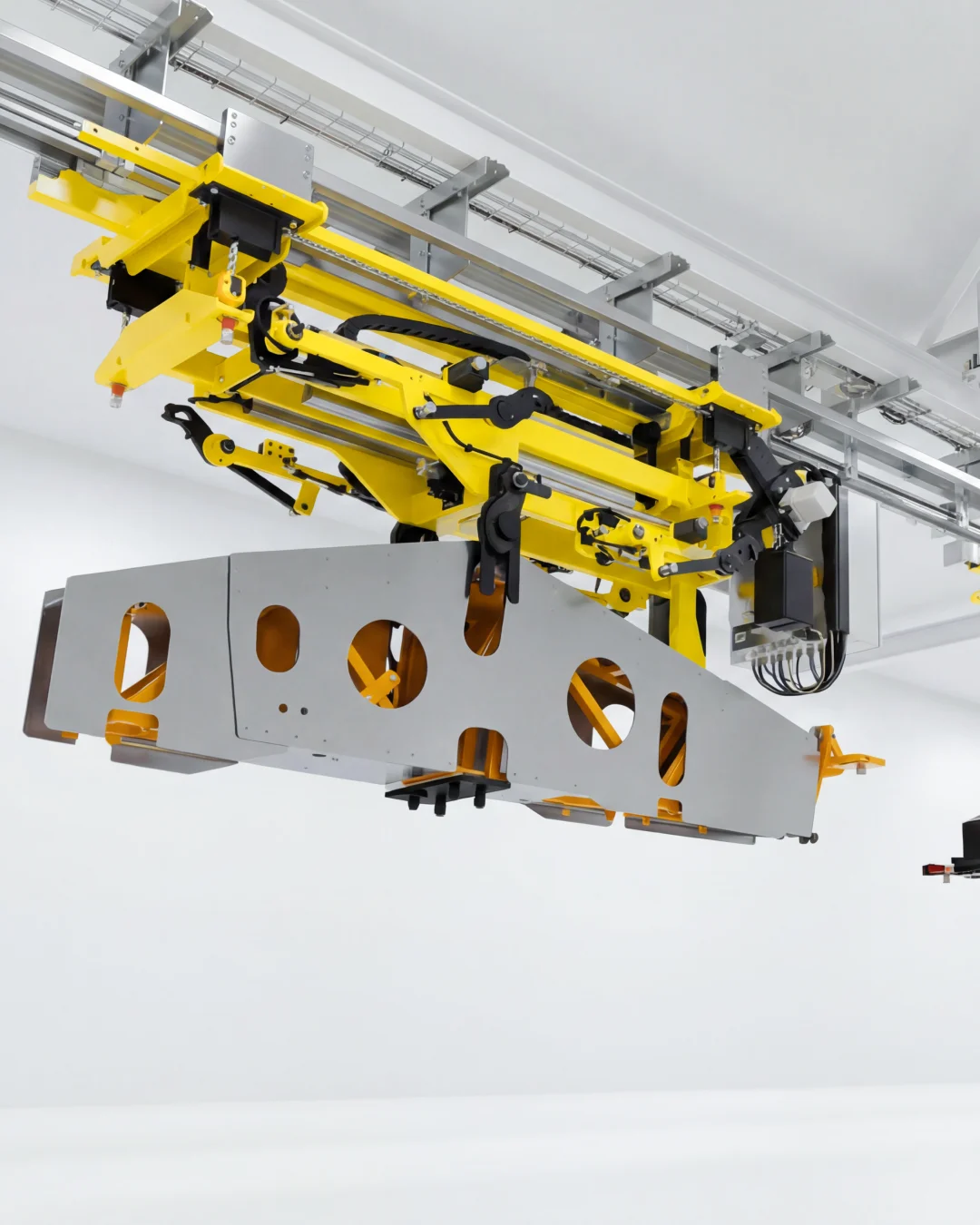
The aerospace industry requires systems that can handle large components, heavy loads, and long production cycles. OCS overhead conveyor systems are modular, bolted (not welded), and easy to reconfigure when production changes over time.

Safe handling of sensitive components
Aircraft parts are often expensive, large, and sensitive. Our customized product carriers enable operators to lift, lower, and rotate parts ergonomically and safely, minimizing the risk of damage and ensuring high quality at every step.
Quiet and clean environments
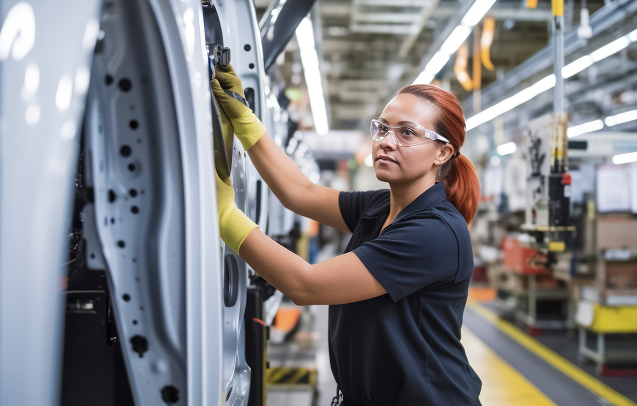
With chain-free friction drive, OCS delivers overhead conveyor systems that are clean, quiet, and oil-free. This is perfectly suited for production where cleanliness, precision, and a good working environment are critical.

Why Overhead Conveyors?
Overhead conveyors are one of the most cost-effective ways to optimize internal flows. By positioning the conveyor path above the workspace, free floor areas are created, leading to improved ergonomics and clearer workstations.
The friction-based technology eliminates the need for chains and oil, resulting in quieter operation, reduced maintenance, and lower energy consumption.
For companies that require rapid changeovers or frequently reconfigure their lines, overhead conveyors are an obvious choice – they are modular, scalable, and easy to adapt to new products or increased volumes.
See how our solutions are used in the aviation industry
Airbus
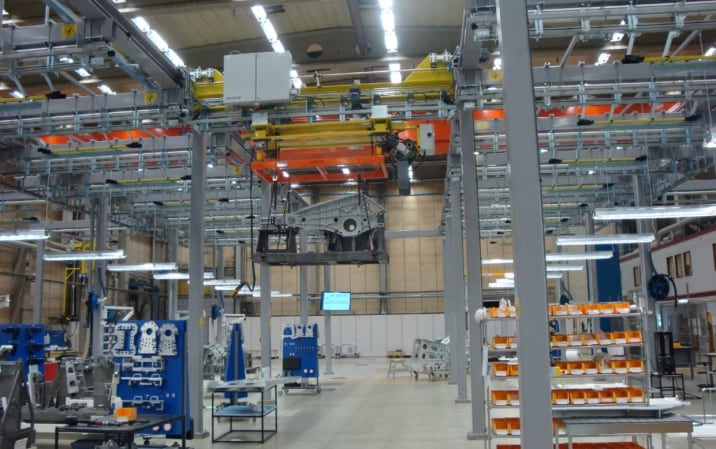
French Airbus, alongside Boeing, is the world’s market-leading aircraft manufacturer. In 2017, they delivered over 700 aircraft. We have supplied conveyor systems for four new assembly lines at their Toulouse assembly plant.
Trusted by world-leading manufacturers
With over 500 installations globally, we have been entrusted to deliver solutions that make a real difference in our customers’ production—across everything from automotive and aerospace to surface treatment, bicycle manufacturing, and vertical farming. Here are some of the companies we have had the privilege of building long-term partnerships with.



























What our customers in the aerospace industry achieve
Through long-term partnerships and customized system solutions, we help our customers increase capacity, reduce energy consumption, and create stable production flows.
Safe handling of large components
Increased assembly efficiency
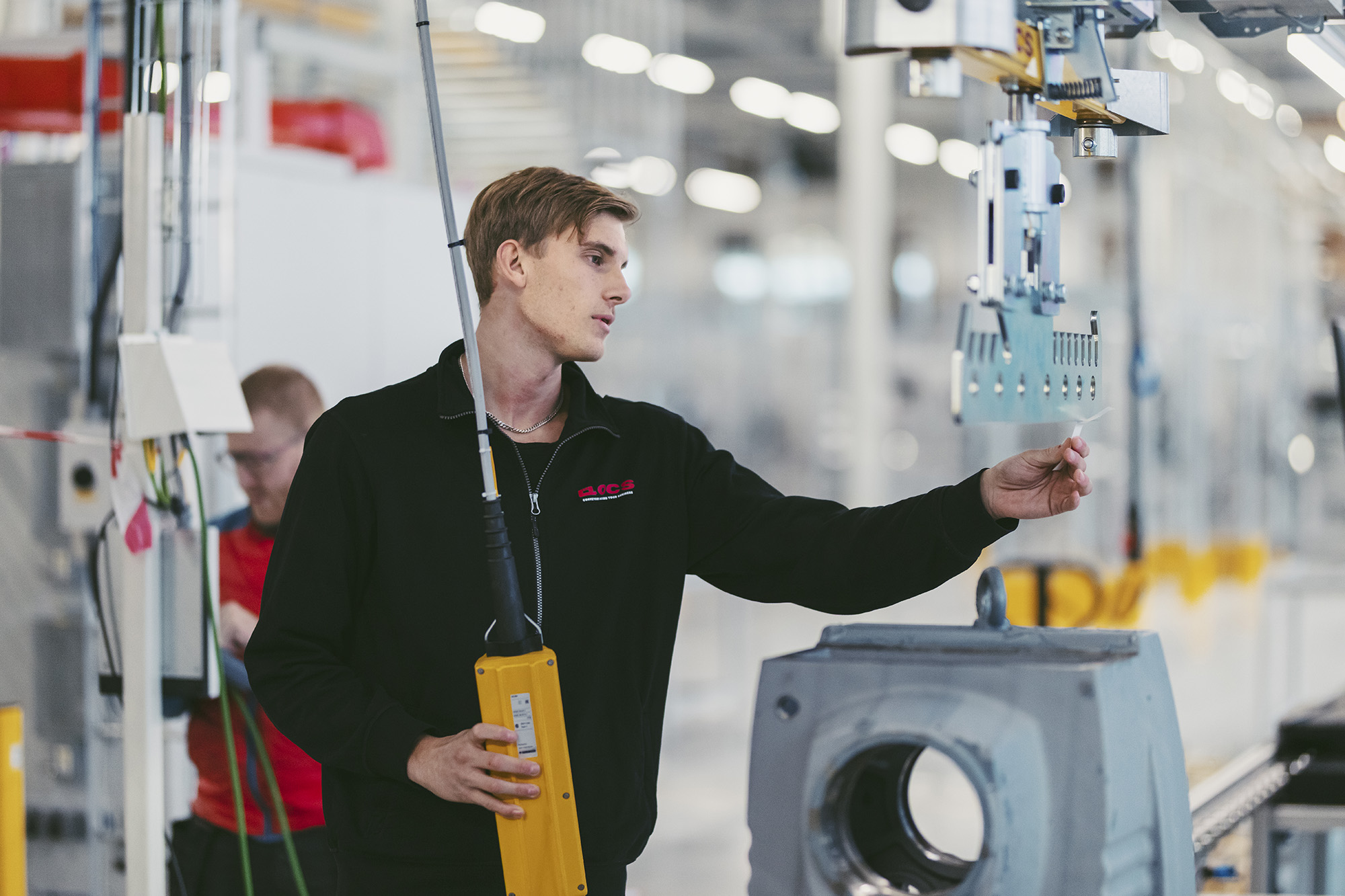
World-class ergonomics
Application areas within the aerospace industry
Our conveyor systems are used in several parts of the production flow, from machining and assembly to surface treatment and logistics.
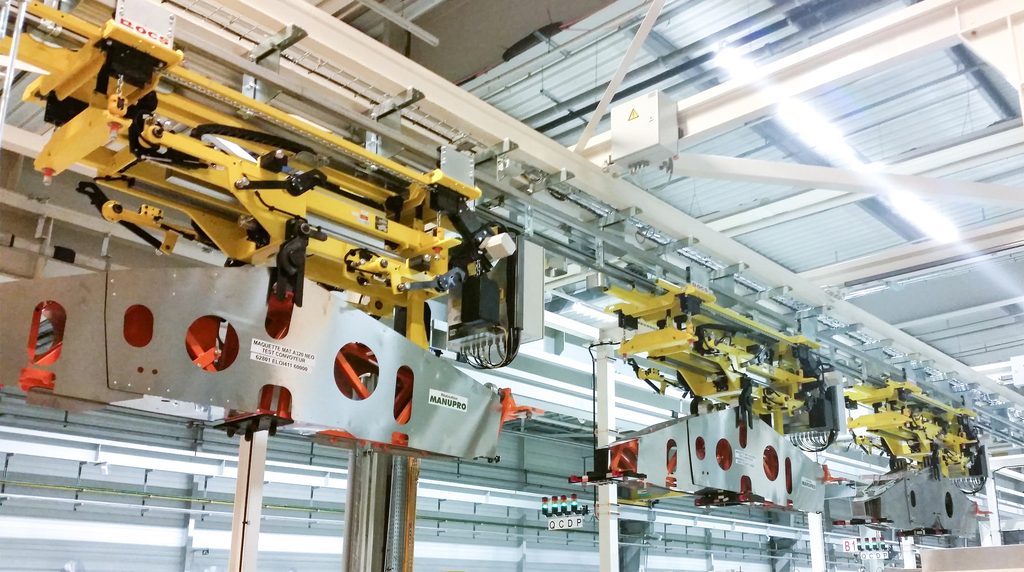
Assembly line for aircraft pylons
The conveyor system automatically transports the pylons, which weigh up to 1,200 kg and are between 4 and 6 meters long, at a height of 5.5 meters. The pylons are lowered and released at each assembly station, after which the product carrier rises to retrieve a new pylon. The four assembly lines together have a total of 42 product carriers with jigs. OCS has taken responsibility from design and manufacturing to implementation of complete assembly lines.

Assembly and transport of aircraft components
OCS Heavy Duty system for transport of C-ribs and levers (aircraft components) between assembly stations and NC machines. At 16 assembly stations, components are loaded into a jig, which is then transported into the NC machine and back to the respective assembly station. Transport occurs at a height of 6 meters and laterally with an OCS transfer carriage. Vertical movement is handled by a frequency-controlled hoist with a maximum load of 1,500 kg.
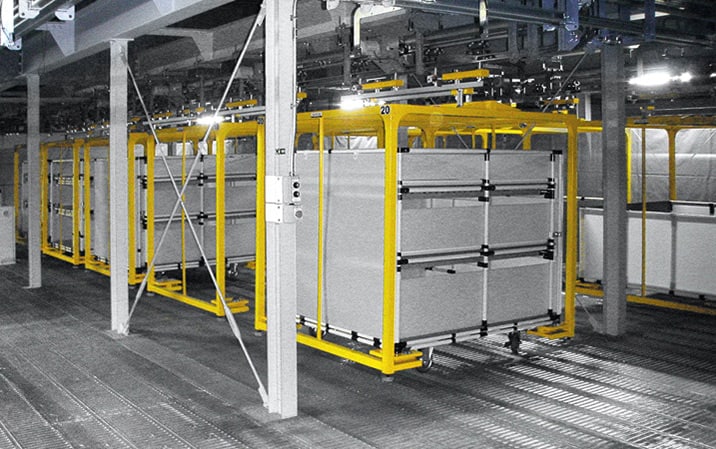
Internal transport of engine parts
Internal transport system for spare parts for aircraft engines. Our customized solution ensures fast and reliable transport, minimizing downtime and improving productivity. With a focus on precision and safety, we offer an integrated solution that meets the industry’s strict quality requirements.
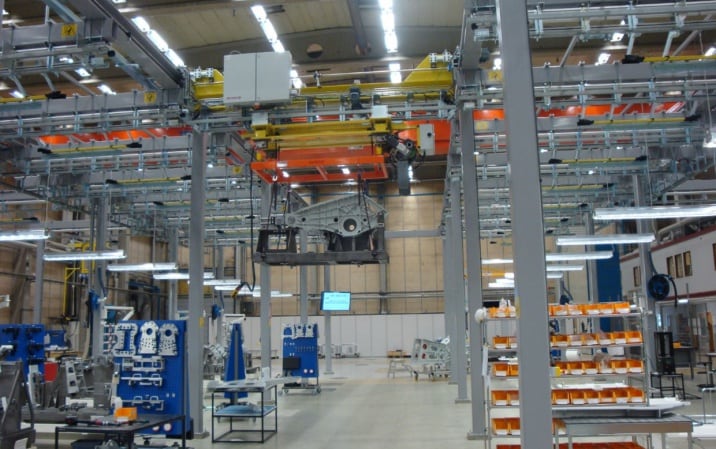
Assembly line for ailerons
OCS Heavy Duty system for assembly of ailerons for Airbus aircraft. The system consists of powered loops to which workstations and buffer areas are connected. Using the unique product carriers, the operator can raise, lower, and rotate the ailerons to create an ergonomic environment during assembly.

Order picking of products in catering
OCS Heavy Duty system installed at KLM catering center at Schiphol Airport in Amsterdam. The system consists of powered and manual tracks with product carriers for carts used in aircraft. The product carrier is automatically transported from station to station where the operator loads carts into the product carrier. Along the system, operators fill the carts with more products (food, beverages, etc.). The product carrier is rotatable 180 degrees and holds a total of 6 carts.
Ready to optimize your production?
We analyze your production flows and propose solutions that increase capacity, reduce energy consumption, and improve ergonomics.